
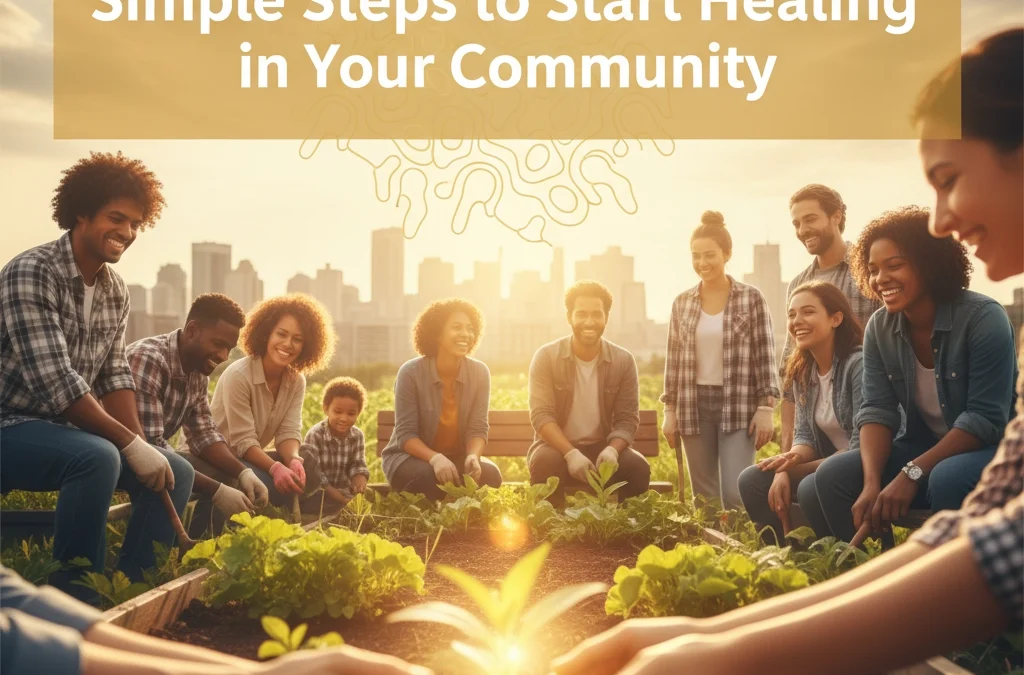
Healing from trauma isn't something you have to do alone. Whether you've experienced domestic abuse, violence, or other traumatic events, taking those first steps toward recovery can feel overwhelming. But here's the thing – your local community is full of people and resources ready to support you on this journey.
At New Direction Services CIC, we've seen firsthand how powerful community support can be in helping people rebuild their lives. Recovery isn't about forgetting what happened or "getting over it" – it's about finding your strength again, at your own pace, surrounded by people who understand.
Understanding Your Journey
Trauma affects everyone differently. You might feel anxious in crowded spaces, struggle with sleep, or find it hard to trust people. Maybe you're dealing with flashbacks or feeling disconnected from your body. All of these responses are normal – your mind and body are trying to protect you.
The good news? Recovery is absolutely possible, and you don't need to figure it out all on your own. Communities across the UK are recognizing that healing happens best when people feel safe, supported, and understood.

Starting Small: Your First Steps
Connect with people who get it. This might be the most important step you can take. Support groups, peer networks, or even informal meetups with others who've walked similar paths can be incredibly healing. When you're ready, these connections remind you that you're not broken – you're surviving.
Focus on feeling safe. This starts with basic things like having a secure place to live, enough food, and people you can call when things get tough. If these basics aren't in place yet, that's okay – there are local services specifically designed to help with housing, benefits, and emergency support.
Gentle movement and activity. Your body holds onto trauma, but gentle movement can help release some of that tension. This doesn't mean jumping into intense exercise – we're talking about walks in the park, gentle stretching, or even dancing in your living room when you feel like it.
Finding Support in Your Community
Every community has hidden gems of support, and it's worth exploring what's available near you. Many areas now have trauma-informed services that understand exactly what you're going through.
Local support centres often provide everything from counselling and advocacy to practical help with housing and benefits. They're staffed by people trained to work with trauma survivors, so you won't have to explain yourself or worry about being judged.
Faith and community groups can offer a different kind of support – sometimes it's just about being around people doing normal, everyday things together. Whether it's a community garden project, a local choir, or volunteer work, these activities help rebuild that sense of belonging.

NHS and mental health services have improved significantly in recent years when it comes to understanding trauma. GPs are now better trained to recognize trauma symptoms and can refer you to specialized services, including trauma-focused therapy when you're ready for it.
How New Direction Services CIC Supports Recovery
We believe that healing happens through connection, activity, and hope. Our approach is simple – we meet you where you are and help you take the next step forward.
Our support services are designed with trauma survivors in mind. We understand that traditional therapy isn't for everyone, and that's perfectly fine. Sometimes healing happens through art, music, physical activity, or simply having someone who listens without judgment.
Through our HAF holiday clubs, we've seen how powerful it can be for families to have safe, fun spaces where children can just be children again. Parents tell us that seeing their kids laugh and play freely helps them remember what they're working toward in their own recovery.
Getting more active doesn't have to mean gym memberships or intensive sports. We support gentle activities like walking groups, gardening projects, and creative workshops. The goal isn't fitness – it's about reconnecting with your body in a positive way and meeting others in a relaxed, pressure-free environment.

Gentle Activities for Recovery
Recovery looks different for everyone, but here are some activities that many people find helpful:
Creative expression can be incredibly healing. Drawing, writing, music, or crafts give you a way to process feelings without having to find the right words. Many community centres offer free or low-cost creative workshops specifically for people working through difficult experiences.
Nature and gardening provide a unique kind of therapy. There's something powerful about nurturing plants and spending time outdoors. Many communities have allotments, community gardens, or conservation groups that welcome new members.
Gentle movement classes like trauma-sensitive yoga, tai chi, or simple stretching classes help you reconnect with your body in a safe, controlled way. These classes are designed for people who might feel uncomfortable in traditional fitness settings.
Cooking and sharing meals together builds community while teaching practical skills. Many support services offer cookery classes or community meals where you can learn new recipes while connecting with others.
Supporting Families and Vulnerable Adults
If you're caring for children or vulnerable family members while working through your own recovery, you're carrying an extra load. This is where community support becomes even more crucial.
Family activities that feel safe and predictable can help everyone heal together. Simple things like library story times, park visits, or community events give families positive shared experiences.
Respite support isn't just nice to have – it's essential. Whether it's a few hours to yourself while your children attend a holiday club, or regular breaks from caring responsibilities, these moments help prevent burnout and give you space to focus on your own healing.
Practical support with everyday tasks can make a huge difference. Help with shopping, appointments, or household tasks might seem small, but it frees up mental and emotional energy for recovery work.
Building Your Support Network
Recovery isn't a straight line, and you'll need different types of support at different times. Building a network means having options:
Professional support might include counsellors, advocates, or specialist workers who understand trauma. Don't feel pressured to stick with someone if it's not working – finding the right fit is important.
Peer support from others who've been through similar experiences can be incredibly validating. Many areas have peer support groups or buddy systems that match you with someone a bit further along in their recovery journey.
Community connections through hobbies, volunteering, or casual activities help rebuild your sense of belonging in the wider world. These relationships might not be about trauma at all – they're about rediscovering who you are beyond what happened to you.

Moving Forward with Hope
Recovery isn't about returning to who you were before – it's about becoming who you want to be now. That person might be stronger, more compassionate, or have different priorities than before. All of that is perfectly valid.
Some days will be harder than others, and that's normal. Recovery isn't about constant progress – it's about developing the tools and connections you need to handle whatever comes your way.
Your local community is full of people who want to support your healing journey. From professional services to informal networks, from creative activities to practical support, there are resources available when you're ready to use them.
At New Direction Services CIC, we're here to help you find those resources and take whatever next step feels right for you. Whether that's joining an activity, accessing support services, or just having someone to talk to about what you're going through, we believe in your ability to heal and thrive.
Recovery is possible. Community support makes it easier. And you deserve both – no matter what you've been through, and no matter how long it takes. Your healing matters, and you're not walking this path alone.
If you'd like to know more about our services or just want to have a conversation about what support might be helpful for you, you can visit our website or get in touch. We're here when you're ready.