
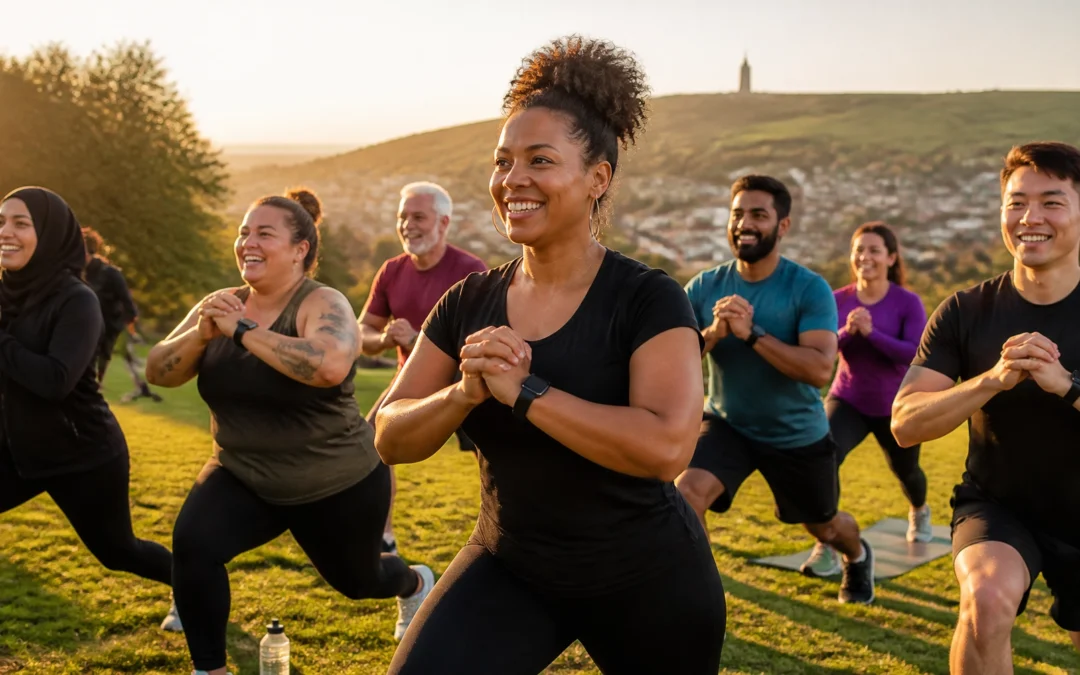
How can movement, support and community help us feel stronger in everyday life?
For people across Huddersfield, Kirklees and West Yorkshire, staying active is not only about fitness. It can also support mental health, build confidence and help us feel less alone. At New Direction Services CIC, we believe everyone should have access to safe, friendly and affordable activities.
Our community programmes are designed for people from all walks of life. Whether you are returning to exercise, looking for support after domestic violence, or simply hoping to meet new people, taking one small step can make a real difference.
Step 1: Mental Health and Activity
Mental health and activity are closely connected.
When we move our bodies, we can release tension, improve our mood and create a healthier routine. Physical activity does not need to mean intense exercise. A gentle class, a short walk, dance, stretching or a beginner’s martial arts session can all be useful starting points.
The most important thing is to choose an activity that feels manageable and enjoyable.
Our sessions can help people:
- Build confidence gradually
- Improve fitness and mobility
- Reduce stress
- Meet other local people
- Develop new skills
- Create a regular weekly routine
You do not need to be especially fit before you begin. You do not need to know anyone else in the group. You simply need to take the first step.
For more information about the connection between movement and wellbeing, read our article on boosting your mental health with physical activity.
Step 2: Staying Safe for Vulnerable People
A supportive community must also be a safe community.
Staying safe for vulnerable people means creating spaces where everyone is treated with patience, dignity and respect. It means listening carefully, setting clear boundaries and making sure people know where to find further help when they need it.
Our activities can support personal safety by helping participants develop:
- Confidence and self-belief
- Awareness of their surroundings
- Clear communication skills
- Healthy boundaries
- Physical strength and coordination
- The confidence to ask for help
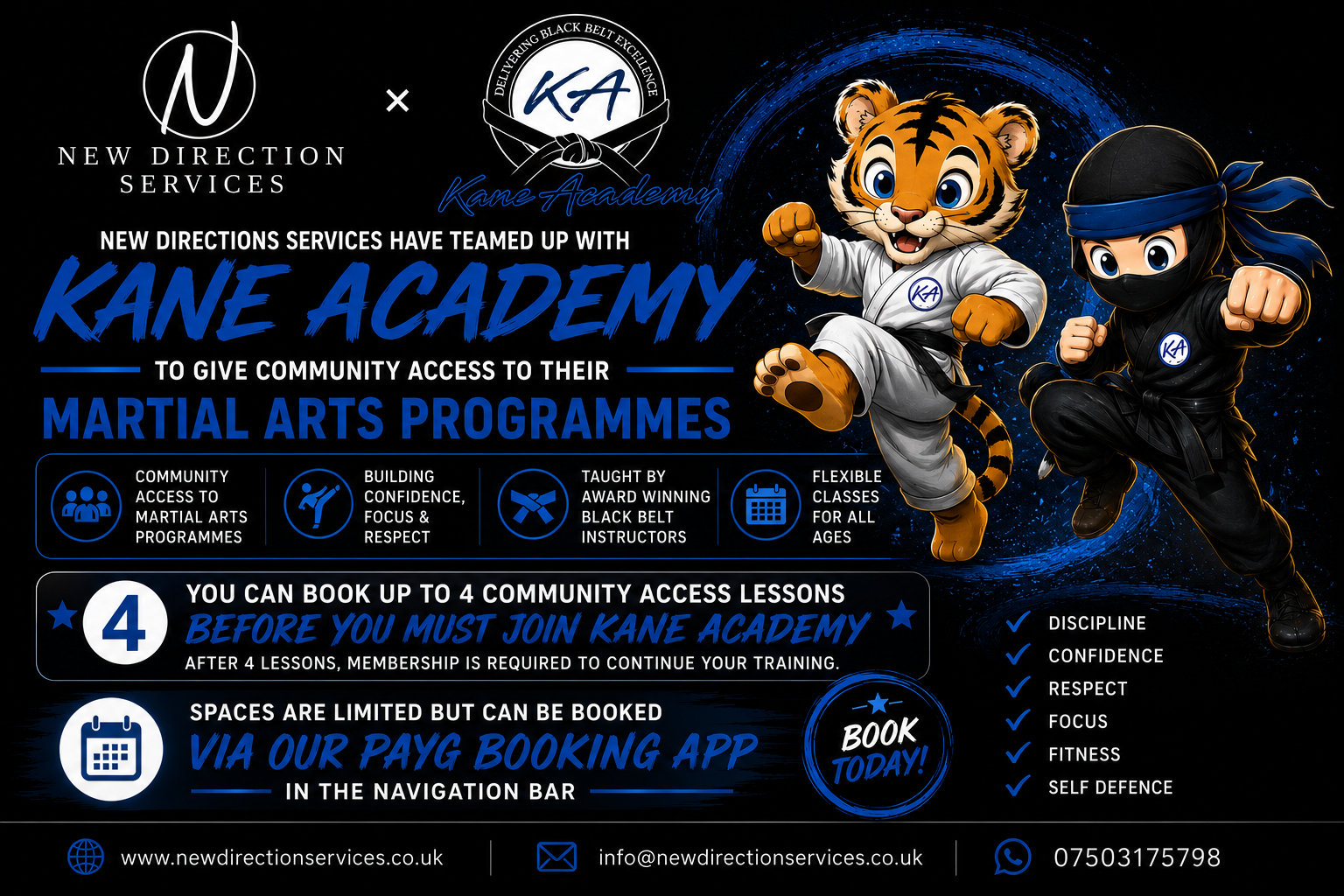
Self-defence is not about looking for conflict. It is about awareness, preparation and making safer choices. Learning in a calm and supportive environment can help people feel more prepared in daily life.
We also understand that some people may feel nervous about joining a new class. That is completely normal. You can contact us before attending to ask questions about the activity, the venue or what to expect.
If you would like to learn more, visit our services page to see the types of support and activities we offer.
Step 3: Booking Classes Through the App
Booking a class should be simple.
Our community sessions are booked through the booking app, allowing you to check available spaces and plan your activity around work, family and other responsibilities.
To help us organise each session fairly, please book at least 24 hours in advance. This gives the team time to prepare the space and helps us manage class numbers safely.
A simple booking routine can make it easier to stay active:
- Check the available sessions.
- Choose an activity that suits your schedule.
- Book at least 24 hours ahead.
- Add the session to your calendar.
- Arrive ready to take part at your own pace.
Planning ahead can also help with motivation. When an activity is in your diary, it becomes easier to make time for yourself.
You can find current community access options and booking information on our adult activities page.
Step 4: Post-DV Help and Support
Recovering after domestic violence takes time, strength and support.
After abuse, it is common to experience low confidence, stress, isolation or uncertainty about the future. Support does not end when a person leaves an unsafe situation. Rebuilding a sense of safety and independence is also an important part of recovery.
Gentle, structured activities can help by providing:
- A safe place to spend time
- Positive contact with other people
- A chance to rebuild confidence
- Healthy ways to manage stress
- New skills and personal goals
- A feeling of progress
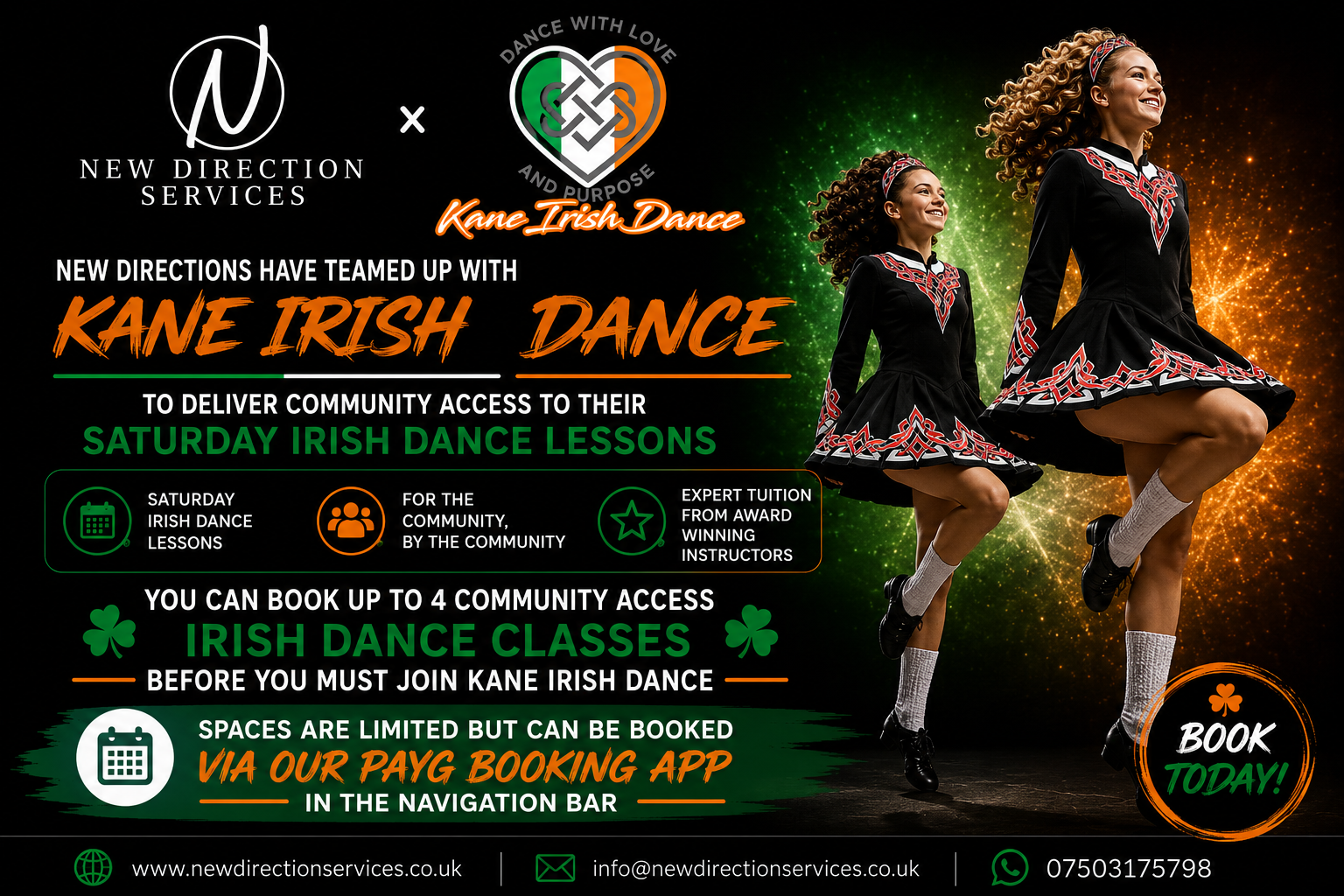
Our work with vulnerable people includes activities such as self-defence, kickboxing, dance and wellbeing support. These activities are not a replacement for specialist domestic abuse services, counselling or emergency help. They can, however, form part of a wider support network.
If you or someone you know is affected by domestic violence, read our guide, Looking for Domestic Violence Support in 2026? Here Are 10 Things You Should Know.
If there is immediate danger, call 999. In England, the National Domestic Abuse Helpline is available on 0808 2000 247. If it is not safe to speak on a mobile, you can press 55 when prompted.
You do not have to make every decision at once. Asking for information is already a positive step.

Step 5: Fitness for Over-40s
Fitness has no age limit.
For people over 40, being active can support strength, balance, flexibility and everyday mobility. It can also be a useful way to maintain social connections and create a positive routine.
You may be returning to exercise after several years away. You may be managing an old injury, a health condition or a busy family life. That does not mean you have missed your chance to become more active.
The best approach is to begin at a suitable level and build gradually.
Activities such as dance, martial arts, walking, stretching and light fitness work can all be adapted. The focus should be on progress, not perfection.
A good session should help you feel encouraged rather than judged. Tell the instructor if you have any concerns, and always work within your own limits.
For people in Huddersfield and across Kirklees, community activities can offer more than exercise. They can provide friendship, structure and a renewed sense of confidence.
Step 6: Pay-Weekly Community Club Access
Cost can be a barrier to taking part in regular activities. That is why flexible access matters.
Our pay-weekly community club access gives people a practical way to join activities without feeling tied to a long-term commitment. This can be helpful if your income changes, if you are trying an activity for the first time or if you want to manage your budget carefully.
Flexible access means you can:
- Try a new class
- Pay in smaller amounts
- Build activity into your weekly routine
- Meet people locally
- Choose sessions that suit your needs
Community clubs are about more than fitness. They are places to learn, connect and feel part of something positive.
Research and experience both show that local activities can reduce isolation and support wellbeing. To explore this idea further, read Can Local Community Activities Really Help You Heal? Find Out Here.
Take Your Next Step in Huddersfield
Support and fitness for the Huddersfield community should be welcoming, practical and accessible.
You may begin with one class. You may start by sending an email or asking a question. You may choose a gentle activity, a self-defence workshop, a dance session or a community club.
There is no single right way to become more active.
The important thing is to choose a safe and realistic next step. With the right support, small changes can build strength, resilience and confidence over time.
Explore our services, view our adult activities and check the booking app for current sessions.
Your wellbeing matters. Your safety matters. You are welcome in our community.